Tamata Reo | Self-Initiated Project
Aotearoa, NZ
Overview
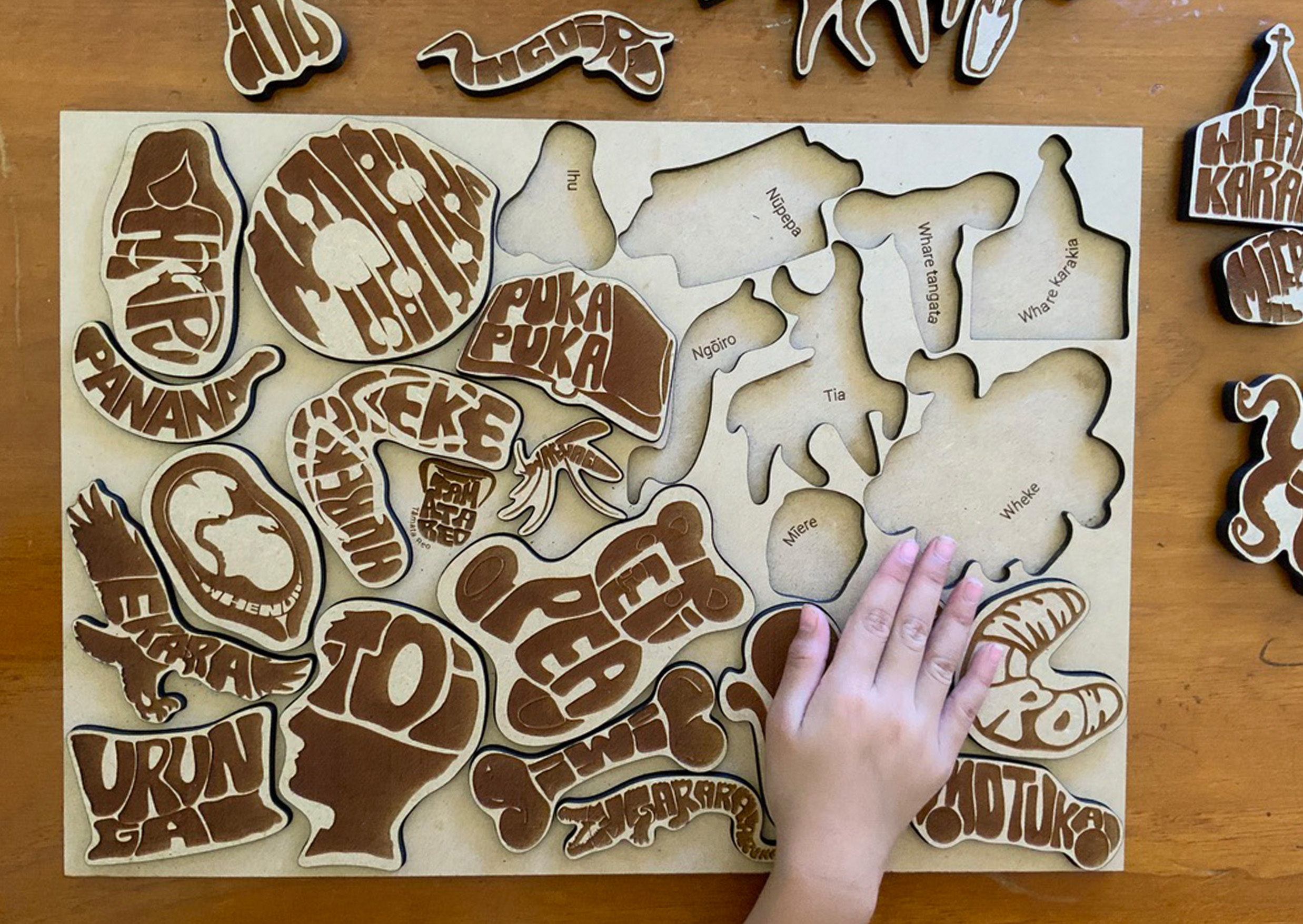
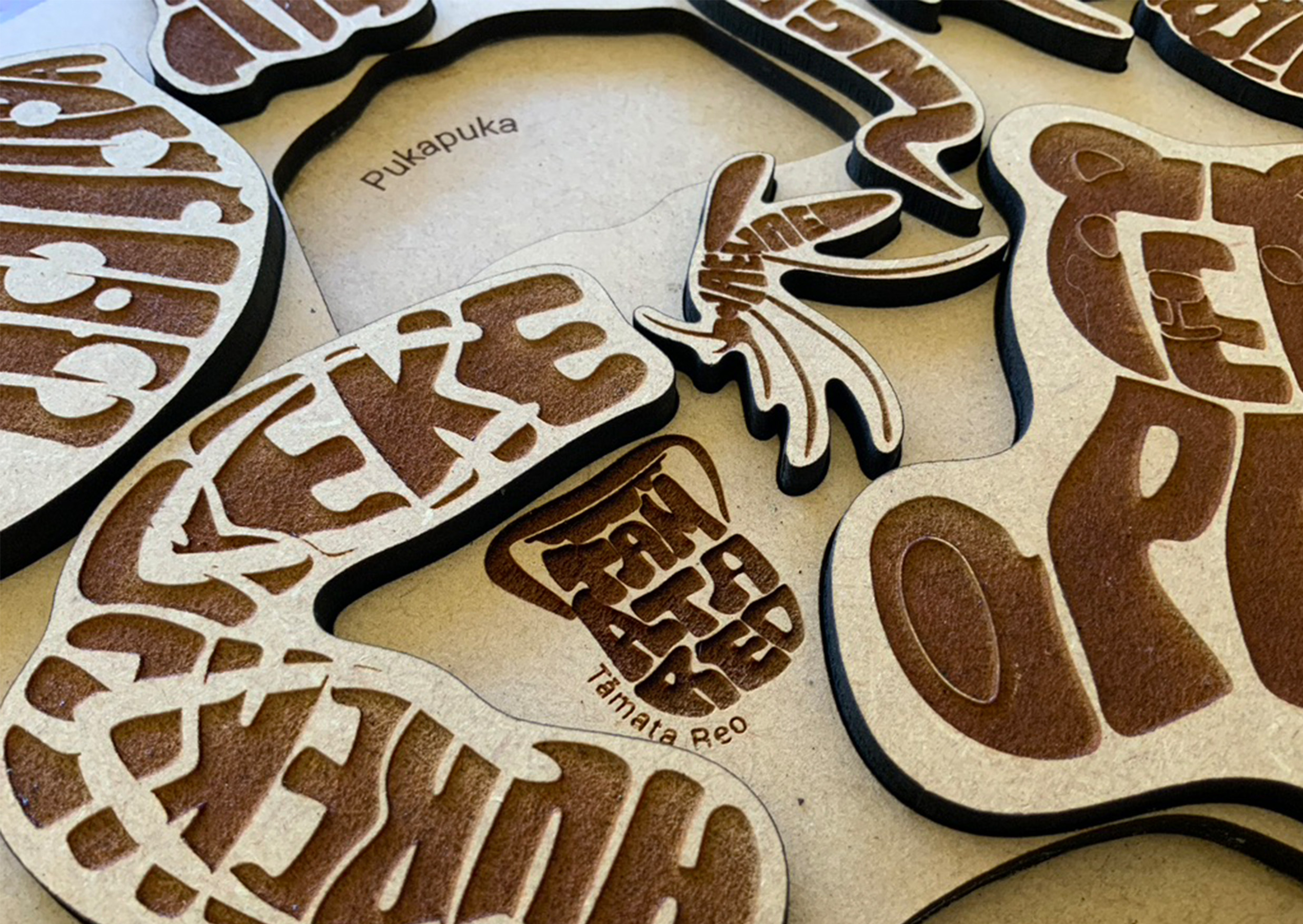
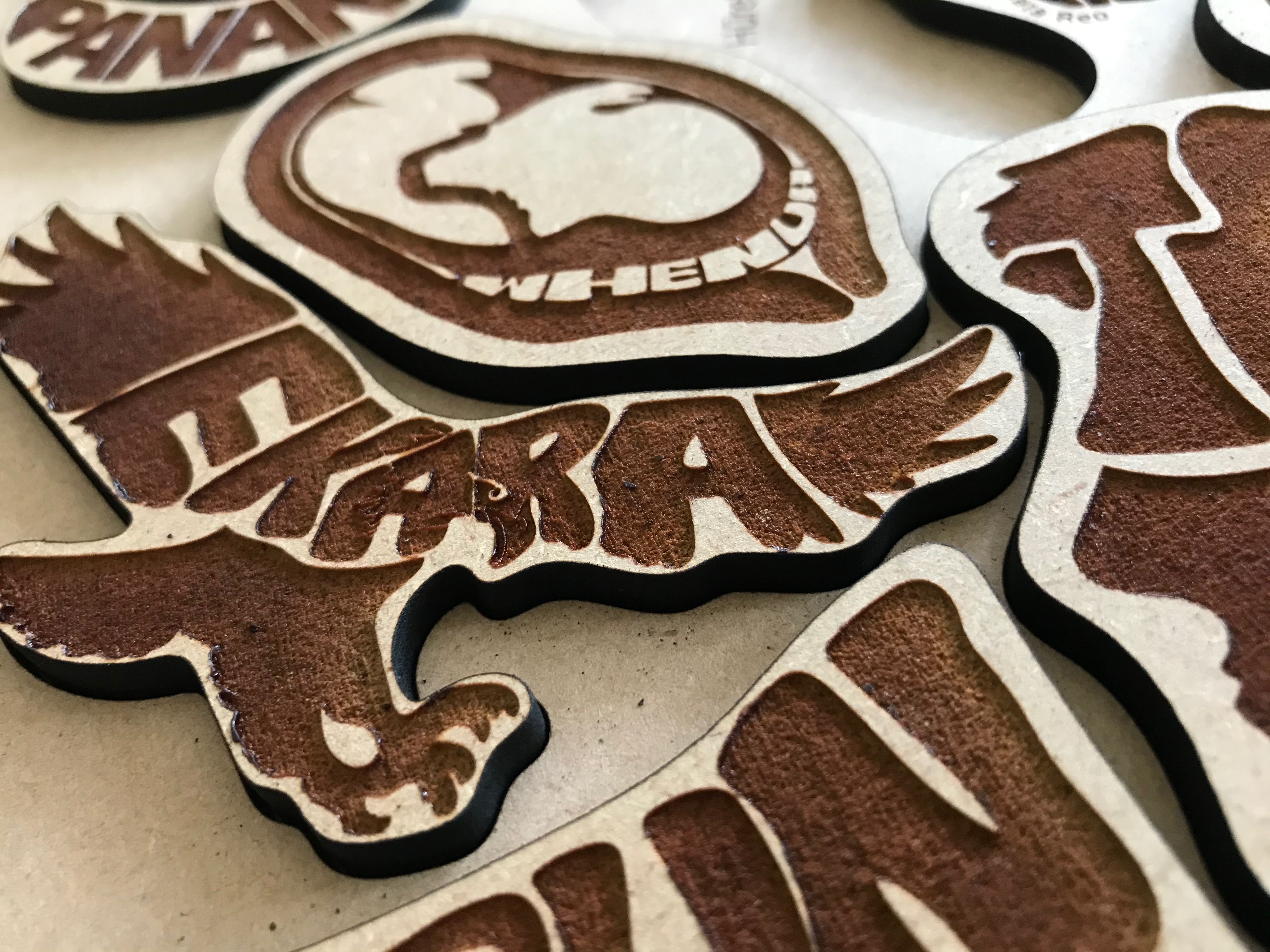
Tamata Reo is a self-initiated design project exploring how visual communication can support te reo Māori learning through playful, interactive engagement. The project is centred on the development of an activity-based learning system that encourages the acquisition of kupu (words) through creativity, repetition, and visual association. At its core, Tamata Reo is a designed system of custom glyphs that function as both language and learning tool. Each form is constructed to represent a kupu, transforming language into a visual and tactile experience that invites participation rather than passive memorisation.
Challenge
The project responds to a broader challenge in language revitalisation: how to make learning te reo Māori feel accessible, engaging, and culturally resonant outside of traditional classroom environments. Conventional learning tools often rely heavily on rote memorisation or text-based methods, which can limit emotional connection and engagement—particularly for younger audiences or beginner learners. The challenge was to reframe language acquisition as an enjoyable, creative, and culturally grounded experience, while still respecting the integrity of te reo Māori.
Approach
The design approach combined typography, symbolism, and game-based learning principles to construct a visual language system. Each glyph was carefully developed to embody a kupu, using shape, structure, and visual logic to reinforce meaning and memory. Rather than treating language as static text, the system positions it as something active and participatory. The design encourages learners to decode, assemble, and interact with forms—turning learning into an exploratory process.
Cultural values such as whakawhanaungatanga (connection and relationships), curiosity, and storytelling guided the development of the system, ensuring it remained grounded in kaupapa Māori principles rather than purely aesthetic exploration.
Applications
Tamata Reo functions as an adaptable learning system that can exist across multiple contexts, including educational settings, workshops, and public environments. The glyph system can be used as an activity-based tool for language learning, where users engage with visual prompts to build vocabulary and meaning. It also translates into spatial and printed formats, such as posters or learning cards, allowing it to be integrated into classrooms, community spaces, or informal learning environments. Beyond education, the system also operates as a visual communication framework—offering potential applications in editorial design, cultural storytelling, and public engagement projects.
Outcome
Tamata Reo has been recognised nationally and internationally for its innovation and cultural contribution to design-led education. The project received recognition in the IDA International Design Awards (Design for Society – Product category) and has been formally documented in the New Zealand Katoitoi Archives for its contribution to design with cultural impact.
More importantly, the project has been positioned as a conceptual contribution to the ongoing conversation around language revitalisation—demonstrating how design can play an active role in shaping new, culturally grounded approaches to learning te reo Māori.
UX Design
Illustration
Typography